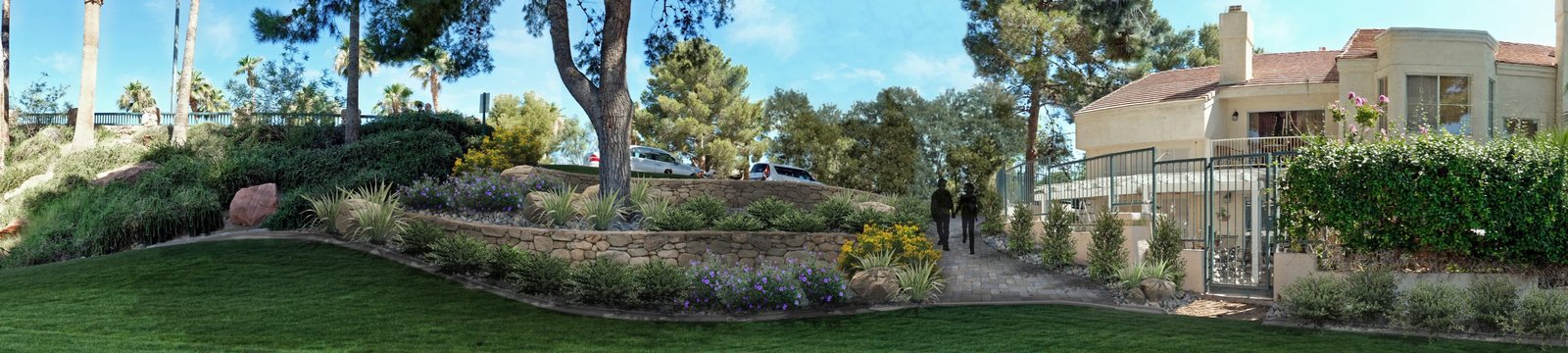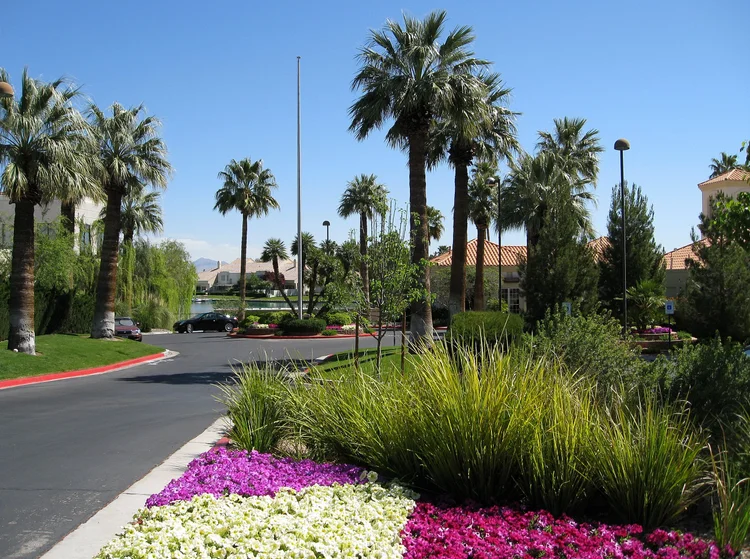
Southern Nevada is one of the toughest climates in the country to keep a commercial property looking good. Between triple-digit summers, minimal rainfall, and strict water regulations, there’s very little room for error. The properties that look great year-round aren’t lucky. They’re well-managed and they’ve avoided the mistakes that trip up everyone else.
Here are five of the most common ones we see across the Las Vegas Valley.
1. Planting Species That Aren’t Built for This Climate
It’s tempting to fill a property with the lush, green plants you’ve seen work in other parts of the country. But what thrives in Phoenix or Southern California won’t always survive a Las Vegas summer. The combination of extreme heat, low humidity, alkaline soil, and caliche hardpan creates conditions that a lot of popular ornamentals simply can’t handle.
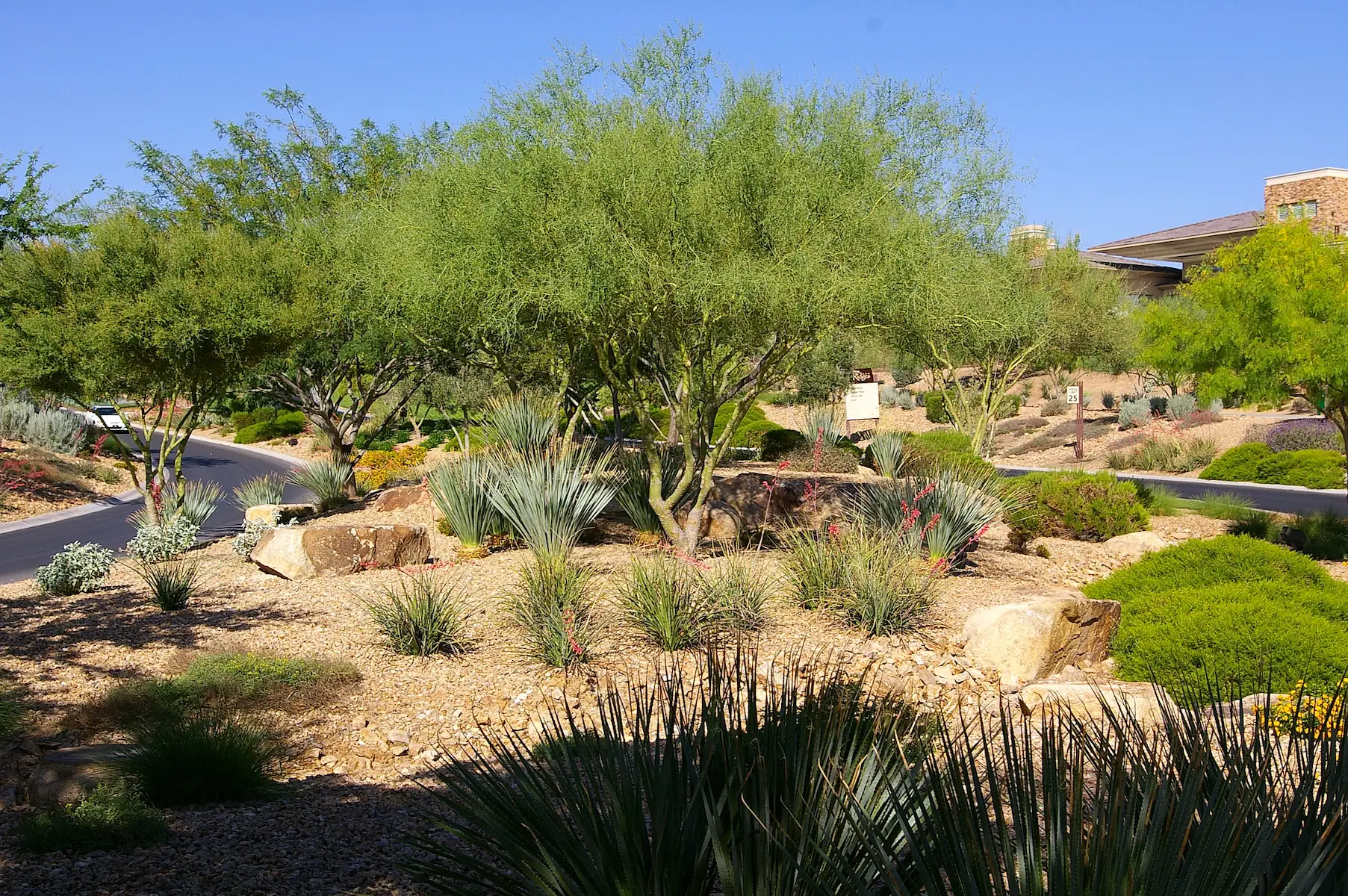
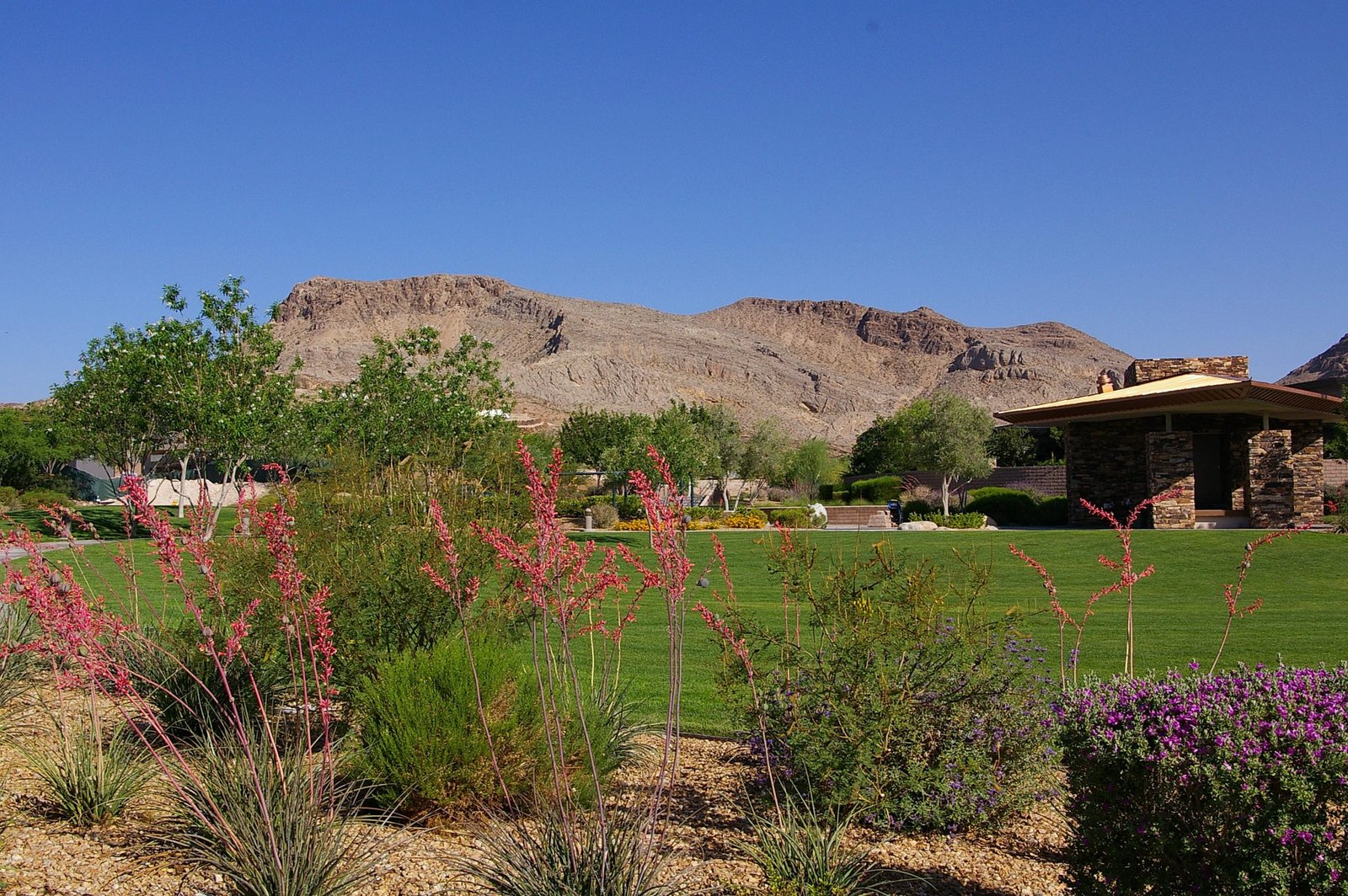
The fix is straightforward: choose plants that are proven in this climate. Native and drought-tolerant species like desert willow, red yucca, lantana, and Texas ranger are built for this heat. They look great, they use a fraction of the water, and they won’t collapse the first time temperatures hit 110. A qualified design team with Southern Nevada experience can build a plant palette that holds up without draining your water budget.
2. Ignoring Your Irrigation System Until Something Breaks
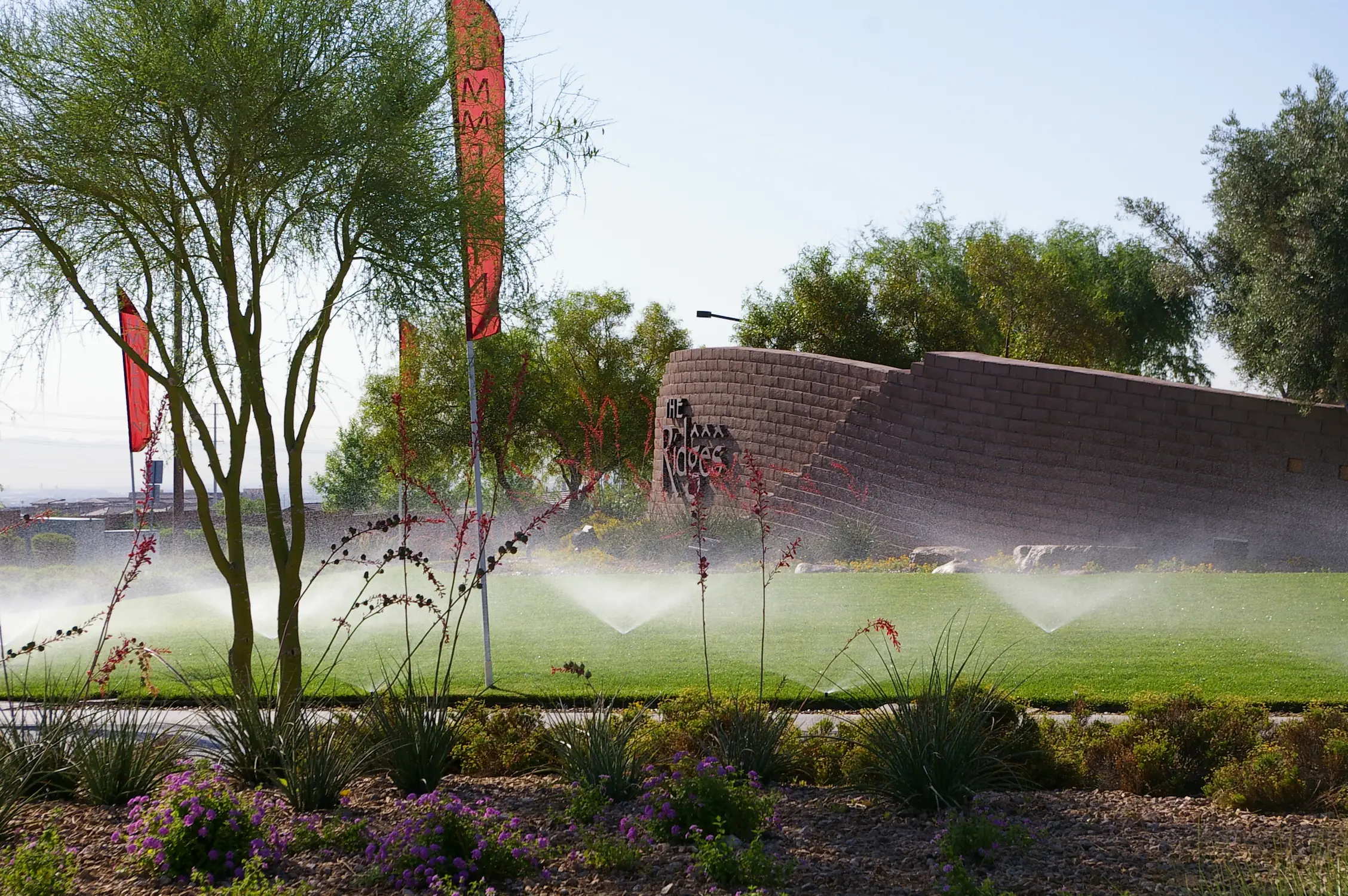
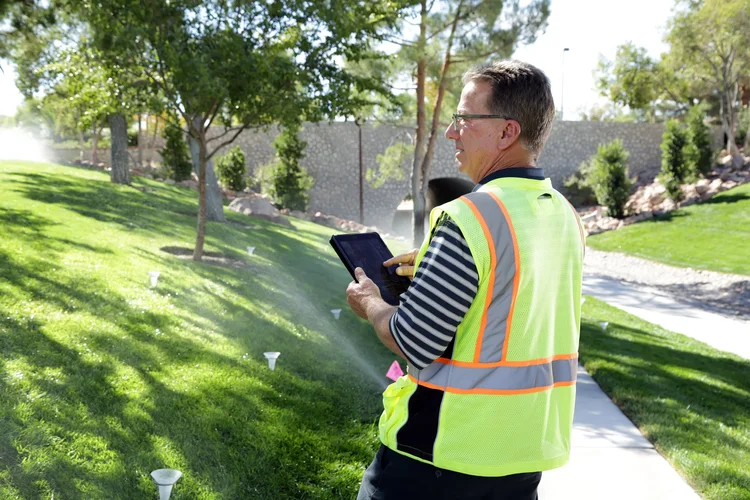
This is probably the most expensive mistake on the list. Most commercial properties don’t think about irrigation until they see a geyser in the parking lot or a water bill that’s doubled overnight. By then, the damage is done. Cracked lines, stuck valves, and misaligned heads waste thousands of gallons before anyone notices.
Irrigation systems in Southern Nevada need proactive attention, not just emergency repairs. That means seasonal audits, pressure checks, controller updates, and regular inspections by someone who knows what they’re looking at. A certified irrigation auditor can catch small problems before they turn into five-figure water bills.
3. Overwatering (Yes, Even in the Desert)
It sounds counterintuitive, but overwatering is one of the biggest problems on Southern Nevada properties. People assume that if the desert is dry, more water must be better. In reality, too much water suffocates roots, promotes fungal disease, and attracts pests. It also sends water running off hardscapes into gutters and storm drains, which is both wasteful and a potential SNWA violation.
Desert-adapted plants are designed to go longer between waterings. Deep, infrequent irrigation encourages roots to grow down into the soil where they can access moisture and stay anchored during wind events. Shallow, frequent watering does the opposite. It creates weak root systems and plants that can’t survive on their own if a timer malfunctions or a zone goes down for a day.
4. Skipping Tree Care
Trees are the most valuable plants on any commercial property. They provide shade that keeps common areas usable in summer, they reduce cooling costs for adjacent buildings, and mature specimens can take decades to replace. But in Southern Nevada’s wind and heat, neglected trees become liabilities fast.
Unpruned trees develop heavy, unbalanced canopies that catch wind like a sail. During monsoon season, that’s a recipe for split trunks and downed limbs. Trees planted too deep or mulched against the trunk develop root crown rot. And trees that aren’t on the right watering schedule for their species either decline slowly or fail suddenly during the hottest months.
Regular structural pruning, proper irrigation scheduling, and monitoring by a certified arborist are the difference between trees that anchor a property’s curb appeal and trees that end up as stumps. If your maintenance provider doesn’t have arborists on staff, your trees probably aren’t getting the attention they need.
5. Treating Maintenance as One-Size-Fits-All
Not every part of a commercial property has the same needs. A turf area at the entrance gets full sun and heavy foot traffic. A shaded courtyard on the north side of a building stays cool and damp. A desert conversion area along the perimeter needs almost no water at all. Treating them all the same is a guaranteed way to have some zones thriving and others falling apart.
Good property maintenance accounts for microclimates, soil variation, sun exposure, and plant type zone by zone. Irrigation schedules, fertilization plans, and pruning cycles should all be calibrated to what’s actually happening on the ground, not set on autopilot based on a calendar.
This is where working with a single provider that handles maintenance, irrigation, tree care, and design makes a real difference. When all those disciplines talk to each other, the property benefits. When they’re siloed across three or four different contractors, things fall through the cracks.
Set Your Property Up to Succeed
Every one of these mistakes is fixable, and the sooner you address them, the less they cost. The properties in Southern Nevada that look the best are the ones with a proactive plan and a maintenance partner that understands what this climate demands.
Par 3 Landscape Management has been keeping Southern Nevada’s top HOAs and commercial properties in shape since 1995. With certified arborists, irrigation auditors, and a full-service team that covers everything from design to daily maintenance, they know what it takes to keep a property looking its best in one of the toughest climates in the country. Get in touch to talk about your property.