There’s a big gap between wanting a beautiful outdoor space and actually building one that works in the Las Vegas Valley. What looks stunning in a rendering can fall apart in practice if the design doesn’t account for 115-degree heat, alkaline soil, water restrictions, and the specific way people actually use the space. That’s why the difference between a good idea and a great finished project almost always comes down to the landscape architect behind it.
More Than Making Things Look Good
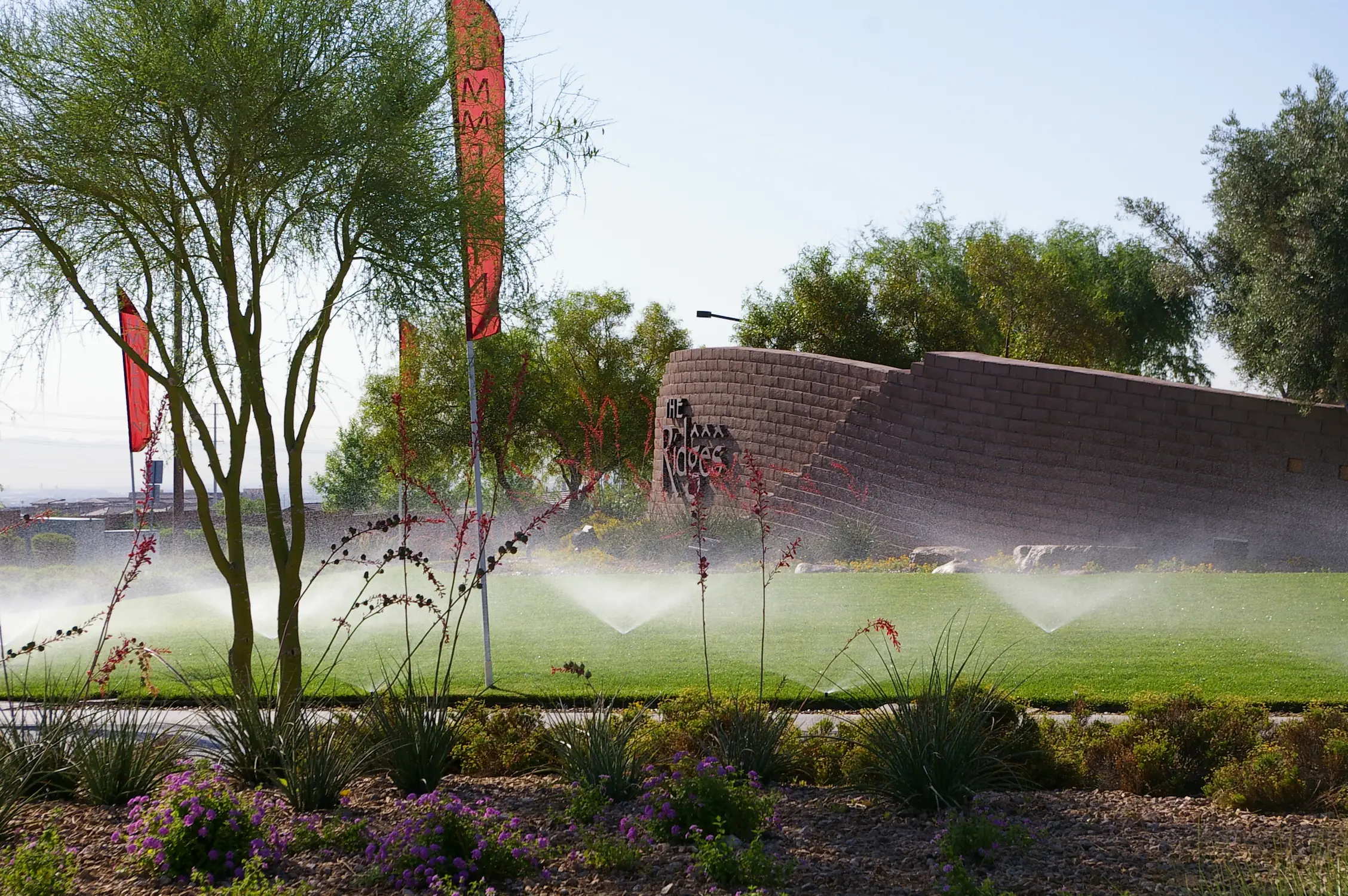
A landscape architect does a lot more than pick plants and draw pretty site plans. They solve problems. How do you create shade in a courtyard that gets blasted by western sun for eight hours a day? How do you design a community entrance that looks welcoming but doesn’t require a small fortune in water every month? How do you grade a slope so stormwater drains where it should instead of flooding a parking lot during monsoon season?
In Southern Nevada, every one of those questions has a climate-specific answer. A landscape architect who’s been working in this valley understands the local conditions that shape every design decision: what the soil is like three feet down, how wind patterns change between east-facing and west-facing exposures, which plant species actually perform here versus which ones just survive for a season before dying.
Designing for the Desert, Not Against It
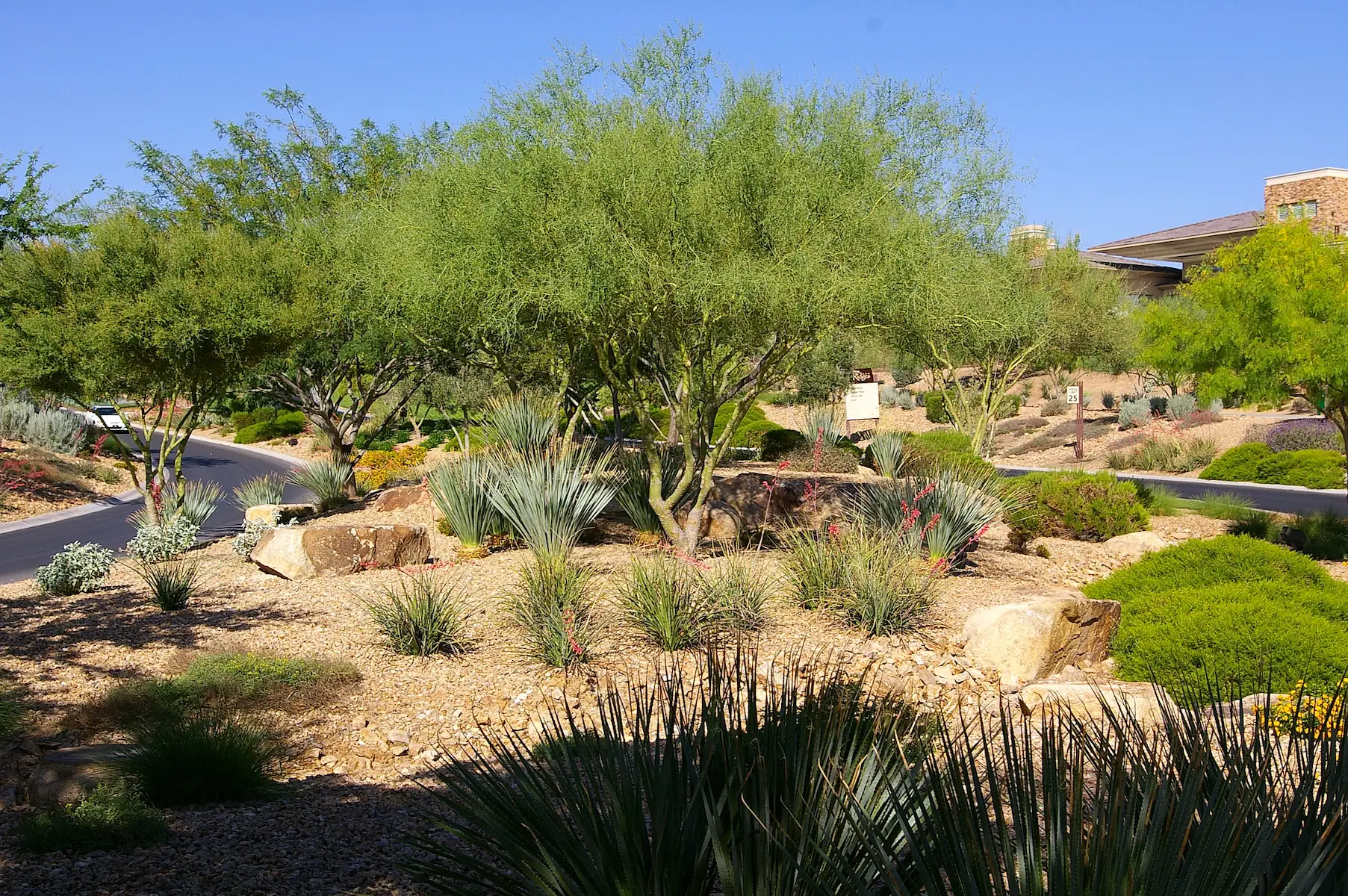
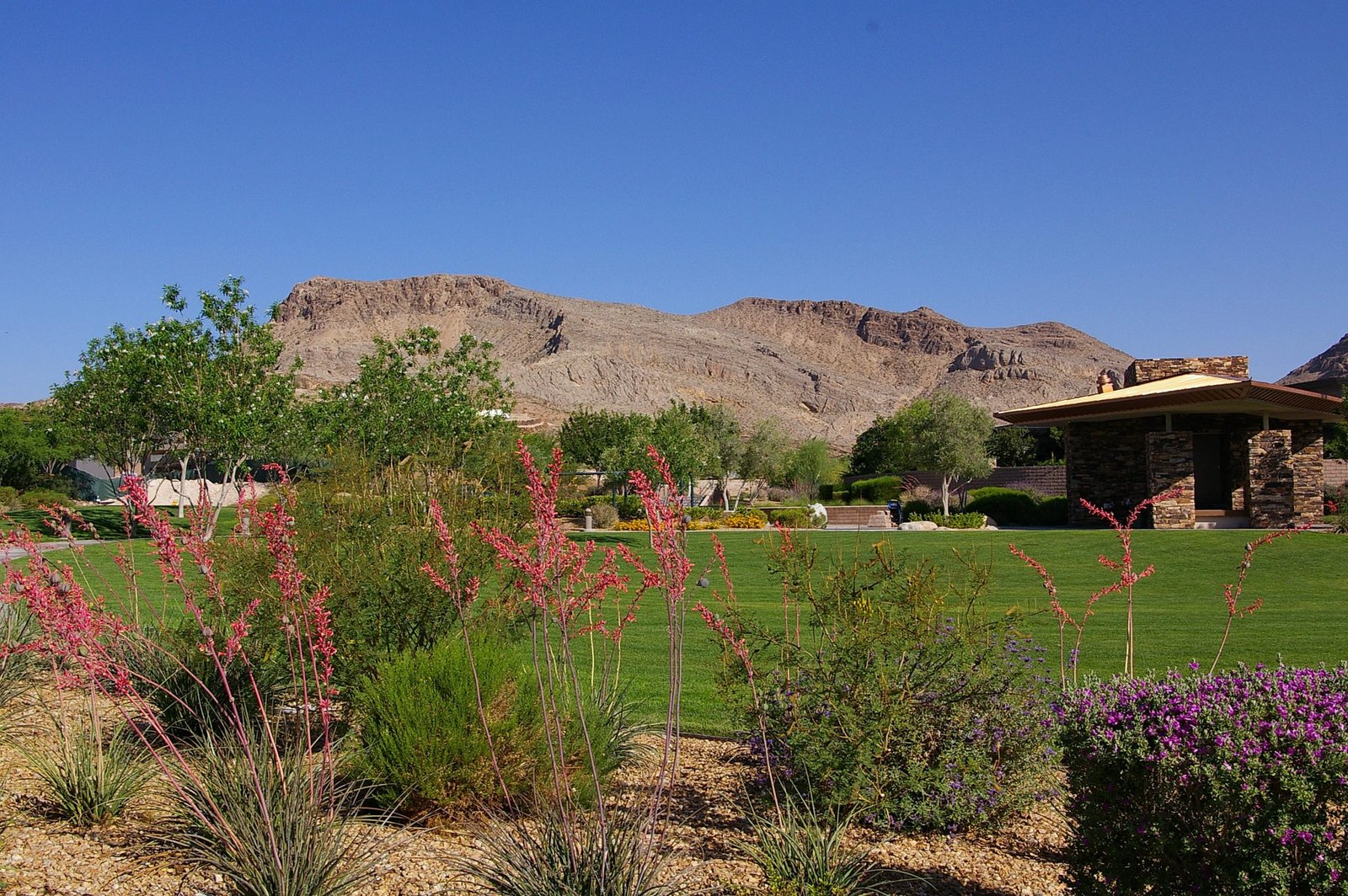
The best outdoor spaces in this region don’t try to pretend the desert doesn’t exist. They work with it. That means using native and drought-tolerant plants that look great without excessive irrigation, incorporating hardscape materials that can handle temperature swings from 30 degrees in winter to 120 on a summer sidewalk, and placing trees and structures to create shade exactly where people need it most.
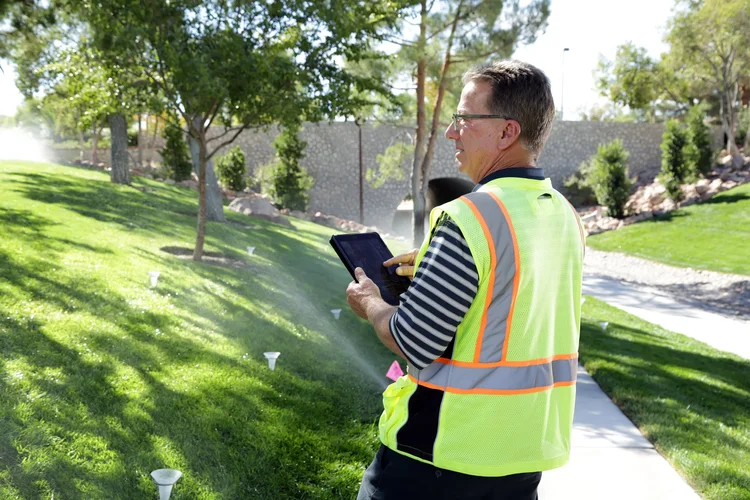
A skilled landscape architect considers water from the very first sketch. Every plant is chosen not just for appearance but for its water requirement. Irrigation zones are designed into the layout so high-water and low-water plants aren’t sharing the same valve. Grading directs rainwater toward planted areas where it can soak in rather than running off into a storm drain. These decisions get baked into the design early, which is far cheaper and more effective than trying to fix them after construction.
Turning a Concept into a Buildable Plan
Ideas are easy. Buildable plans that come in on budget and hold up for years are hard. A landscape architect translates a community’s vision into construction documents that contractors can actually execute: grading plans, planting plans, irrigation layouts, lighting designs, and material specifications. Every detail is drawn and documented so there are no surprises during installation.
This matters especially on larger commercial and HOA projects where the stakes are high. A community entrance renovation, a new pool area, or a complete common-area redesign involves significant investment. Having a landscape architect manage the design means the project is planned for constructability from day one, with clear specs that keep the contractor accountable and the budget on track.
The Value of Having Design and Maintenance Under One Roof
One of the most common frustrations with landscape projects is what happens after the installation is done. A design firm hands off a beautiful plan, a construction crew builds it, and then a separate maintenance company takes over and doesn’t fully understand the designer’s intent. Irrigation schedules get set wrong, plants get pruned incorrectly, and within a year or two the space looks nothing like it was supposed to.
When the landscape architect works within the same company that handles maintenance and irrigation, that disconnect disappears. The people who designed the space are the same people overseeing how it’s maintained. They know exactly what each plant needs, how each zone should be watered, and what the space should look like in three years, not just on installation day.
Projects of Any Scale
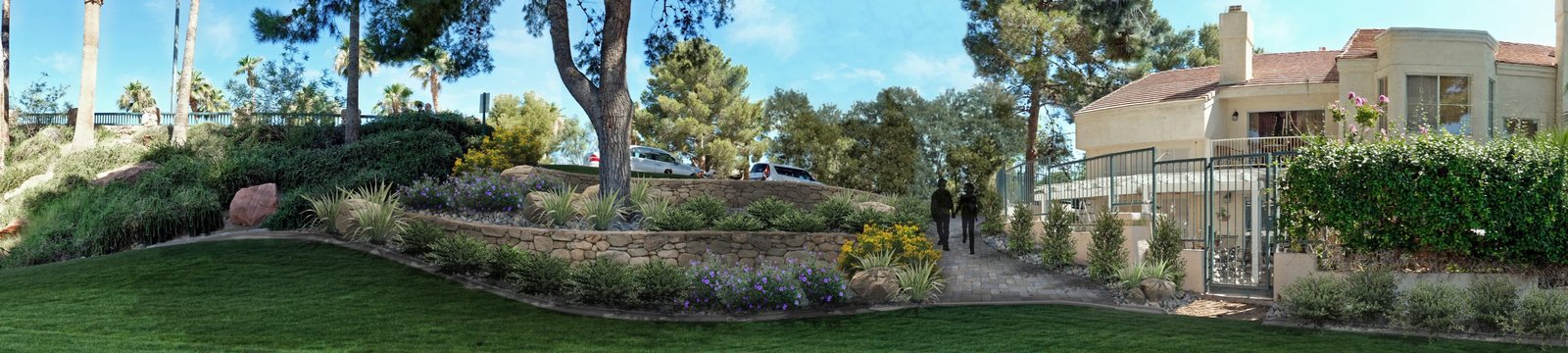
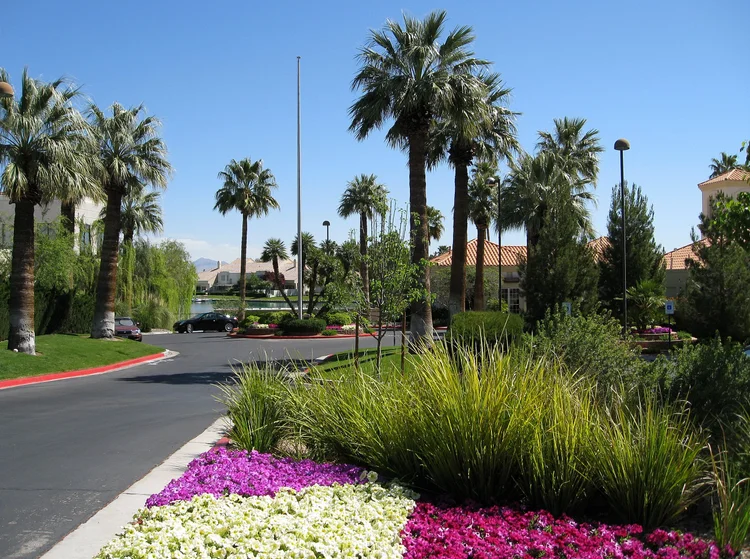
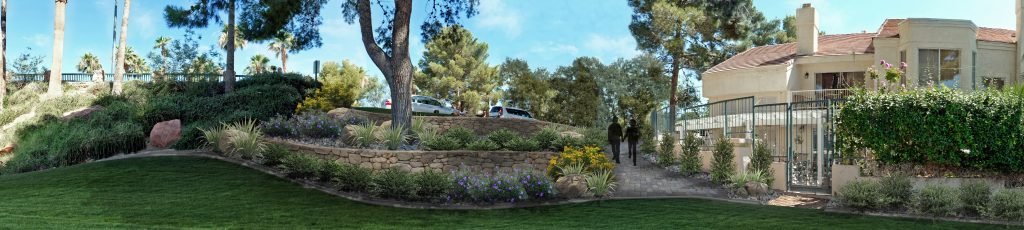
Landscape architecture in Southern Nevada covers a wide range. It might be a streetscape redesign for an HOA that wants to convert water-heavy turf areas to desert-friendly plantings. It could be a full site plan for a new commercial development that needs to meet SNWA water budgets from the start. Or it might be an enhancement project at a resort or casino property where the outdoor experience is part of the brand.
Whatever the scope, the fundamentals are the same: understand the site, understand the climate, understand how people will use the space, and design something that looks great and performs for years without blowing the water budget.
Start With the Right Team
The success of any outdoor project in Southern Nevada starts with who’s drawing the plans. An experienced landscape architect with local knowledge can save you money, water, and headaches by getting the design right from the start. Par 3’s in-house design team has been designing and building projects across the Las Vegas Valley for nearly three decades, with an unlimited bid limit and the specialized local experience to handle projects of any size. If you’ve got a vision for your property, let’s talk about how to make it happen.